
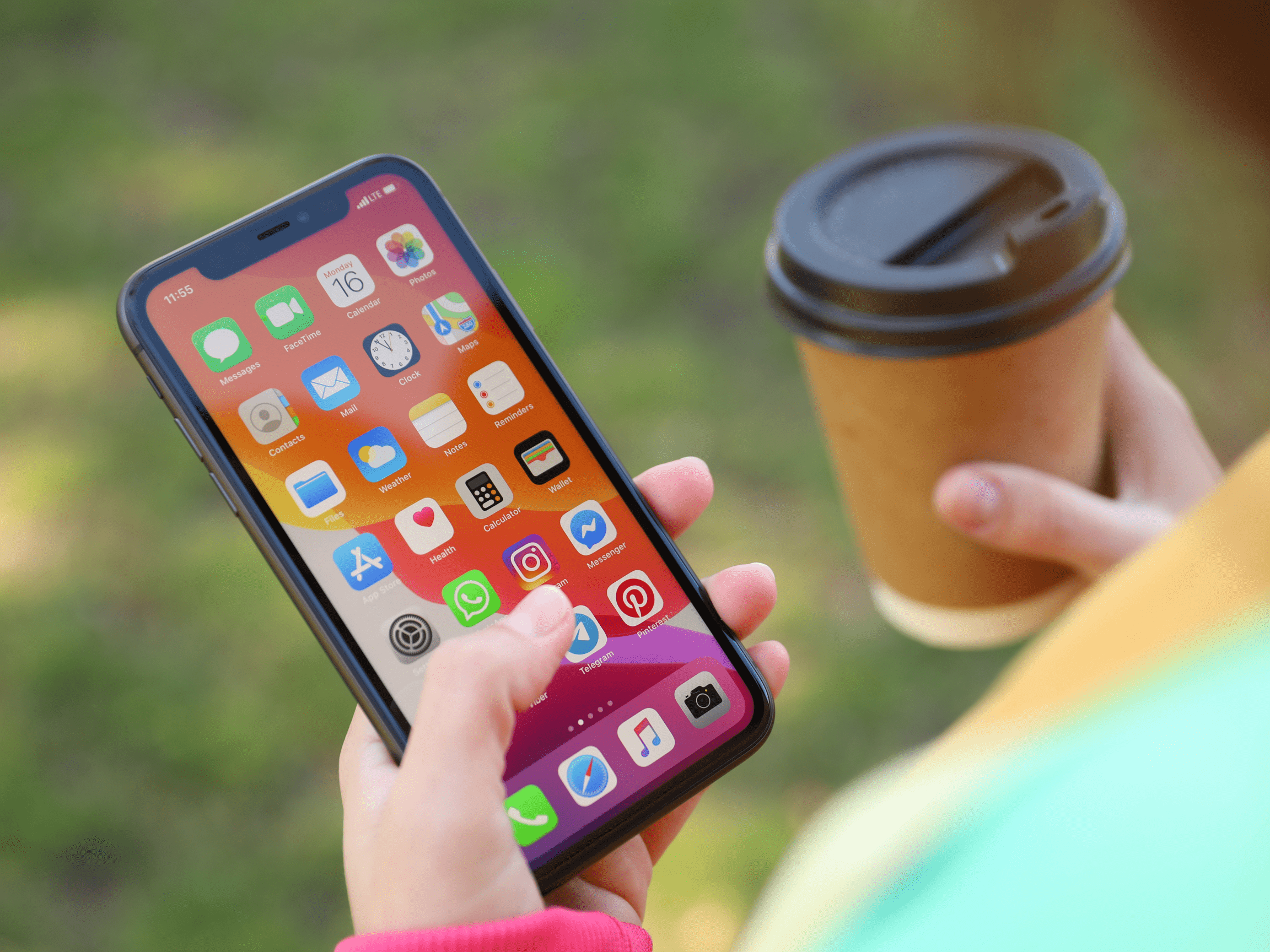
The app stores are incredibly crowded. Seemingly everyone has an app these days. With millions of options available at the tap of a screen, getting someone to notice your product is hard enough. Getting them to download it, open it, and continue to use it month after month is the real challenge.
Every year thousands of companies invest heavily in mobile app development, only to see their creation join the ranks of apps that sit forgotten on page three of a user’s smartphone before being deleted to clear up storage space.
Building a truly successful mobile app requires more than just a great idea and a team of programmers writing clean code. It demands a strategy that bridges the gap between the initial launch and long term user retention.
If you are currently building a mobile app, or planning to upgrade an existing one, you need a clear, actionable plan. Here is the ultimate blueprint for taking your product from those first downloads all the way to customer loyalty.
1. The Discovery and Acquisition Phase
Before any code is written, your product needs to have a clear and direct purpose. The journey toward a successful launch starts by laying a foundation that ensures people can actually find your product in a sea of competitors.
Successful mobile app development begins with deep market research. You must first be able to identify a specific pain point your target audience faces and position your product as the best solution, because even the most flawless product will fail if nobody needs it.
Once the problem is identified, you have to tackle app store optimization (ASO), which acts as the search engine optimization (SEO) of the app world. This means optimizing your title, subtitle, description, and keywords so that the app store algorithms push your product to the top when users search for related terms.
Finally, you need to master the visual first impression. Your app icon, screenshots, and preview video are your primary sales tools in the app store, and they must clearly communicate your core proposition within two seconds of a user scrolling past them.
2. The Critical First 30 Seconds (Onboarding)
The user clicking the install button is a fantastic start, but achieving true customer loyalty requires much more. Roughly one in four users will abandon a product after opening it just once, making this first interaction your absolute make or break moment.
To prevent immediate abandonment, focus on creating a simple registration process. Don’t force users to fill out a ten field form before they even see what your product does; allow easy social sign ins through Google or Apple, or let them explore as a guest before creating a full account.
Your onboarding flow should guide the user to the core value of the product as quickly as possible. If it is a photo editor, get them editing a photo immediately, and if it is a budgeting tool, show them a sample dashboard right away.
Request system permissions carefully instead of bombarding users with pop ups asking for location tracking, camera access, and push notification permissions the second the home screen loads. Wait until the user performs an action that naturally requires that permission, and briefly explain why you need it.
3. Core Usability and Performance Stability
No amount of expert marketing can save a product that crashes, lags, or drains the user’s battery. The technical execution of your app development directly impacts how long people keep your software on their devices.
Engineers should aim for a crash free session rate of greater than 99.9%. Implementing monitoring tools during development helps your team catch bugs and performance issues before they ever reach the public store.
Speed is also a primary feature because modern users expect their needs to be met instantly. If a screen takes more than two or three seconds to load, users will assume it is broken, so you must be able to make the experience feel quick even on slower cellular networks.
Remember that life happens in tunnels, on airplanes, and in cellular dead zones. A resilient product should still offer core features or at least display data when an internet connection drops, rather than showing a blank screen or a frustrating error message.
4. UI/UX Excellence
How a product feels to use determines whether it becomes a daily habit or an annoying chore. Intuitive design reduces the mental energy required to navigate your app, keeping users happy and engaged.
When mapping out layouts, design for the physical human hand by using a layout that is thumb friendly. This involves placing primary navigation elements and important actionable buttons within easy reach of a user’s thumb when they are holding their phone with one hand.
Good design also relies on a clear visual hierarchy. Use whitespace, strong typography, and intentional color contrast to guide the user’s eye to the most important elements on the screen, avoiding the temptation to clutter the screen with too many features at once.
You also have to respect platform familiarity and design languages. An iOS user expects certain behaviors, like swiping right to go back, while an Android user looks for others, adhering to these established patterns makes your product feel instantly familiar.

5. Engagement and Habit Loops
Once a user has included your software into their daily routine, your goal shifts to keeping them coming back. Building an engagement loop ensures that your product stays in their mind throughout their week.
Strategic push notifications are an excellent tool for this, but they are a double edged sword. Used correctly, they bring users back with timely, personalized value like a shipping update or a highly relevant discount, but used poorly, they feel like spam and lead to immediate uninstalls.
Complement these notifications with targeted in app messaging. Use very subtle text cues and pop ups within the app to guide users toward certain features, share helpful tips, or celebrate milestones they have achieved while using your app.
The ultimate engine for engagement is deep personalization. Treat your users as individuals by using behavioral data to customize the home screen experience, recommend content, or tailor promotions based on their specific habits and preferences.
6. Continuous Feedback and Iteration
A successful digital product is never truly finished; the launch is simply the beginning. To maintain long term loyalty, you have to pay attention to your audience and adapt your software based on their usage.
Start by building accessible in app feedback channels. Make it incredibly easy for users to report bugs, ask questions, or suggest features without leaving the app.
From there, let real data guide your development plan rather than guesswork. Lean heavily on product analytics to track exactly where users drop off in your conversion funnels, which features are being ignored, and where people spend the most time.
When you need to prompt reviews to boost your store rankings, do so ethically. Never interrupt a user with a “Rate Us” pop up in the middle of an important task; instead, ask for a review right after they have completed a successful action, like making a purchase or achieving a major milestone.
7. Cultivating Long-Term Loyalty
The holy grail of app development is turning casual users into brand advocates. Loyalty is built over time through consistent value, reward systems, and a strong community focus.
Loyalty and reward programs give users a reason to return. Whether it is a points system, exclusive digital content, early access to new features, or a simple streak counter, rewards trigger positive reinforcement.
You must also focus on regular value delivery through consistent updates. Software updates that patch security vulnerabilities, optimize performance, and introduce thoughtful new features show your audience that you are actively invested in their experience.
Try to give your users a space to connect, share their achievements, or interact with one another. When an app becomes a gateway to a broader community, it becomes incredibly difficult for a user to delete.
Critical Pitfalls to Avoid in the Design Process
When you are in the middle of a project, it is easy to lose sight of the user’s perspective. Small design missteps can add up, creating a frustrating experience that drives people away. Keep these mobile app design tips in mind to keep your project on the right track.
Never ignore digital accessibility. Design your product for everyone by making sure your text has sufficient color contrast for good readability, supporting text scaling for users with visual impairments, and making sure touch targets are large enough to be easily tapped on.
Lastly, be entirely transparent about monetization and hidden costs. If your product requires a subscription or features in app purchases, communicate that early on, because springing sudden fees on users after they have invested their time destroys trust instantly.
The Path to App Store Success
Transforming an idea into a smartphone staple takes long term commitment. It requires a blend of strategic planning, strong engineering, user centric design, and continuous optimization based on real user behavior. Every step of the way, from the initial discovery phase to the mechanics of long term engagement, must be handled with care.
If you are ready to turn your digital vision into a powerful, high performing reality, you don’t have to do it alone. Graphem Solutions specializes in mobile app development, helping businesses design, build, and scale products that users love. Whether you are launching a brand new concept or optimizing an existing platform, our expert team is here to help you succeed. Partner with Graphem Solutions today and let’s build the future of your business together.