

In today’s competitive digital landscape, software and web development have significantly advanced. Yet, the ultimate difference between a market leader and a forgotten application often comes down to a single factor: the user experience. Whether you’re launching a complex website, a custom e-commerce store, or a sleek mobile application, your platform’s success depends entirely on how intuitive and engaging it is for the user.
When a website fails to engage users, the problem rarely lies in the underlying code or server infrastructure. It often stems from a miscommunication between how the system works and what people naturally expect from it. This is where strategic UI/UX design bridges the gap. Quality digital design is not just decorative; it is deeply functional, acting as the invisible engine that drives customer satisfaction, loyalty, and sales.
For businesses looking to increase their digital presence, investing in professional ux design services is no longer a luxury; it is a core business strategy. When approaching a new launch or a website refresh, keeping user-based principles at the heart of your digital strategy is essential. Let’s take a look at the three core UI/UX design principles that transform standard websites into exceptional experiences that generate high conversion rates.
1. Clarity and Frictionless Navigation
A foundational principle of outstanding UI/UX design is simplicity, specifically, eliminating unnecessary mental effort for visitors. If users have to stop and think about how to find a product, complete a checkout process, or contact support, your digital layout is too complex and has failed.
Exceptional UI/UX minimizes this confusion by providing paths of least resistance. When a layout is clean, stripped of distractions, and purposefully organized, users do not have to guess their way through a digital maze. Instead, they instinctively and confidently know exactly what actions to take next.
The Power of Intuitive Navigation
Digital navigation should always be entirely predictable, intuitive, and easy to understand. Users bring years of prior digital habits with them when visiting your site, they expect search bars to be near the top, shopping carts to be in the upper right corner, and main navigation menus to be easily available. Moving away from these established web patterns often backfires, creating confusion rather than innovation. When your navigation paths are clear and familiar, it removes the confusion, allowing visitors to seamlessly browse your services and connect with your brand without encountering unexpected roadblocks.
2. Unwavering Consistency and Predictability
Imagine walking into a physical store where every room is a completely different layout, design, and functions differently. It would likely leave you disoriented, frustrated, and ready to walk out the door. The same psychological response occurs when a website or mobile app lacks visual and functional consistency.
Maintaining a uniform feel across all pages is a hallmark of premium UI/UX design services. Consistency builds consumer trust, reinforces your brand identity, and drastically reduces the time it takes for a user to learn how to navigate your platform. When a digital space feels unified, it removes friction and allows users to browse with ease.
Visual Consistency
Visual consistency means ensuring that color schemes, text, icons, and format style remain uniform across every page. Your digital design serves as a visual language; if the grammar of that language changes from page to page, your audience will struggle to understand it. For example, if your primary call to action (CTA) button is rounded and vibrant blue on your homepage, it should not turn into a green rectangle on the Contact page.
When elements of a website shift from page to page, it makes the user experience feel unorganized and unpolished. A cohesive visual feel creates a polished and professional look that demonstrates reliability and attention to detail to your users.
Functional Consistency
Functional consistency happens when identical interactive elements behave the exact same way no matter where they appear throughout your website. If clicking on one icon opens a sidebar menu on one page, that same icon should not trigger a pop-up window or open a completely new browser on another page.
When a site strays from these basic rules, it confuses visitors and forces them to relearn how to navigate your platform page by page. But, when users can guess how your application will respond to their actions, they feel in control of their journey. This predictability lowers user frustration, eliminates friction, and keeps visitors engaged on your site much longer.
3. Comprehensive Accessibility and Responsive Adaptability
A truly high-quality user experience is inclusive by default. It must cater to every individual who interacts with it, regardless of the device they are using. True UI/UX design development does not treat accessibility and flexible layouts as an afterthought, instead, it embeds them directly into the foundation of the entire creative process.
This means prioritizing user empathy, clear contrast, and adaptable layouts from the very first sketch all the way through to the final launch. When you design with everyone in mind from day one, you create a digital space that feels welcoming, effortless, and empowering for your entire audience.
Prioritizing Digital Accessibility
Designing when prioritizing accessibility means ensuring that your platform meets global web standards, making it friendly for everyone. This involves implementing everyday features, such as:
- High Color Contrast: Ensuring all text stands out sharply against its background color so it is easily readable for individuals with low vision or color blindness.
- Keyboard Navigation: Structuring your website so that users can navigate easily through all links, forms, and buttons using only a keyboard if they cannot use a mouse.
- Clear Text and Descriptions: Writing clean code and adding hidden descriptive text to images, allowing screen-reading tools to effectively speak the visual content out loud for visually impaired users.
Accessibility is more than a compliance box to check for your site; it is a fundamental pillar of empathy that significantly widens your audience reach and enhances your brand’s reputation. By designing your platform to welcome all individuals, you ensure no one is left behind.
This inclusive mindset significantly widens your audience reach while naturally boosting your brand’s reputation. It signals to the world that your company values equity and is dedicated to delivering a thoughtful, premium digital experience to everyone.
Embracing Responsive Adaptability
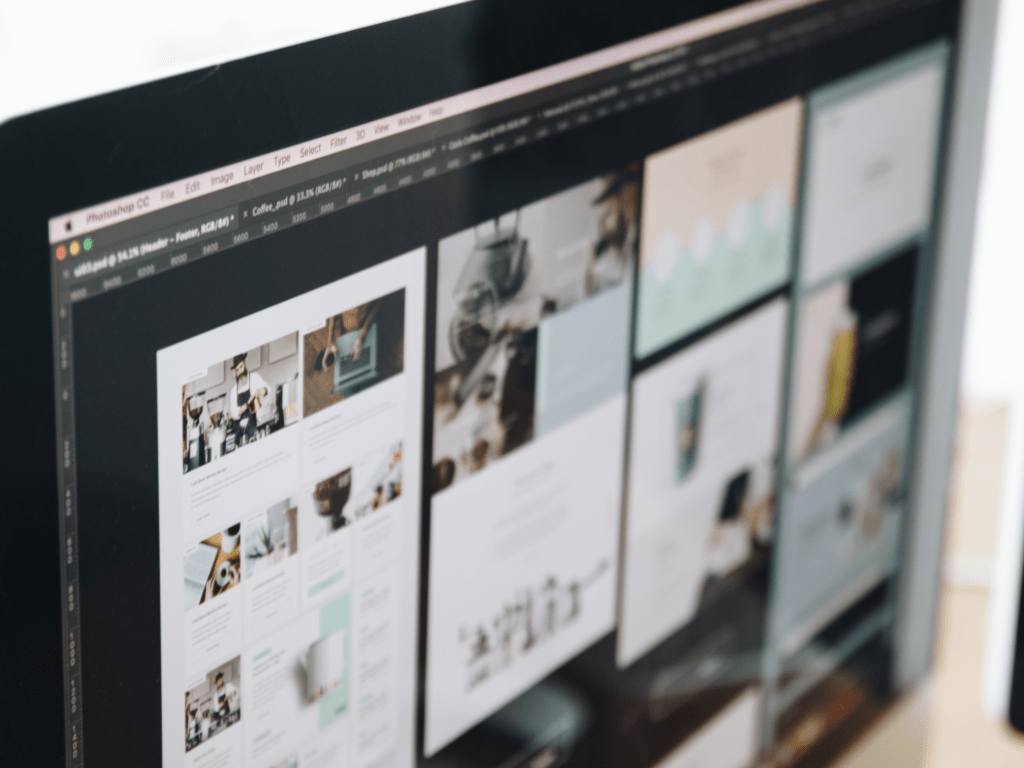
In a time where web traffic originates from a large variety of smartphones, tablets, laptops, and wide desktop monitors, a rigid website layout is a liability. If your site looks perfect on only one screen size, it will likely break on another, eliminating a large portion of your audience. Exceptional design requires absolute flexibility among all devices.
Your platform must be able to adapt to any screen size, shifting layouts, scaling text size, and resizing buttons. A mobile first design approach ensures that buttons and links are easily clickable on small touchscreens, preventing the frustration of accidental clicks and providing a universally enjoyable experience across all devices.
Integrating Design with Modern Technology
While understanding these three foundational principles of design is vital, bringing them to life requires a collaborative partnership between creative design and technical UI/UX design development. Design concepts must be built to load quickly, perform well, and grow with your business.
Modern web tools are designed to support these principles seamlessly. They allow developers to build reusable blocks of design that guarantee visual and functional consistency across every website. Integrating thorough testing early and often ensures that your navigation, responsive elements, and accessible features work flawlessly.
By pairing meticulous design thinking with strong technical execution, businesses can launch cutting-edge websites that load quickly, respond instantly, and keep users engaged from their very first click.
Partnering with Experts for Lasting Success
Crafting a website that is both aesthetically pleasing and seamlessly functional is an ongoing process. User behaviors shift, design trends evolve, and new technologies constantly redefine what is possible and popular online. Keeping your brand at the forefront of these shifts requires specialized expertise and a passion for continuous improvement.
At Graphem Solutions, we have spent over a decade partnering with businesses to create custom digital solutions that drive measurable growth. We are a dedicated team of web professionals with a deep understanding of technical layout, UI/UX design, and cutting-edge web development.
Whether you are looking to build a brand-new platform from scratch, deploy a highly successful online store, or refresh an existing website with a trendy, modern look, our custom UI/UX design services are tailored to match your precise business goals. We pride ourselves on open communication, technical excellence, and a collaborative, problem-solving mindset that turns complex business challenges into seamless digital victories.
Ready to unlock your online potential and maximize your growth and revenue? Contact the Graphem team today for a consultation, and let’s work together to create an exceptional user experience that sets your brand apart.